
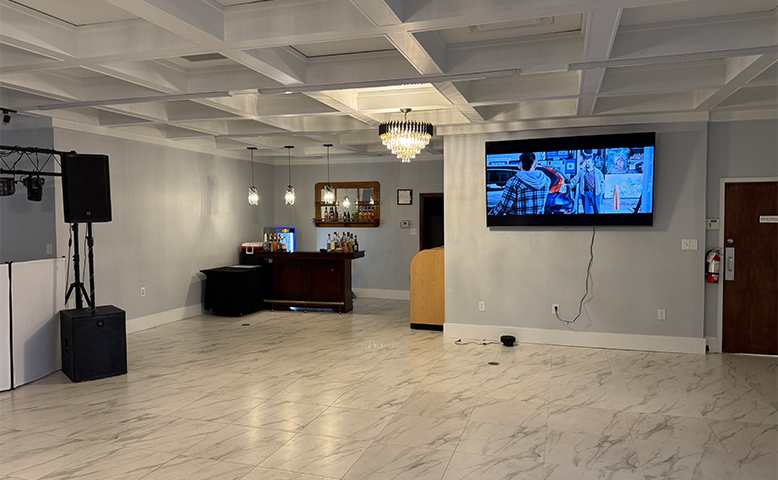
Guests decide how they feel in the first few minutes. A memorable venue makes arrival easy, friendly, and clear—no guessing where to park, enter, or check in. Even before the music starts, people notice clean paths, good signs, and a welcome that feels organized.
- Clear entry signs reduce late arrivals and missed moments
- A simple check-in spot can move 60 guests in about 10 minutes
- Good parking lighting helps guests feel safe after dark
After the first hello, the space should guide guests naturally toward the main area. When the start feels smooth, everyone relaxes, and the party has room to shine.
Layout That Keeps Flowing
A great venue layout helps guests move without jams. Think of it like a map: seating, dance floor, food, and restrooms should be easy to reach without crossing through tight spots. Planners often allow about 8–10 sq ft per guest for a standing reception and 12–15 sq ft for seated events, so people aren’t shoulder-to-shoulder.
- Place bars and buffet lines on separate sides to prevent crowding
- Keep main walkways around 4–6 feet wide for two-way traffic
- Use small lounge pockets so guests can talk without leaving the room
Good flow also helps staff work faster, which keeps service smooth and keeps guests focused on fun, not waiting.
Sound That Feels Right
Sound can make or break the mood. A memorable venue controls echoes and keeps music clear without hurting ears. Large flat walls and hard floors bounce sound, so venues often use soft panels, curtains, rugs, or ceiling baffles to reduce harsh reverb. Many DJs aim for 75–85 dB on the dance floor for energy, while keeping quieter zones lower for conversation.
- A room with an echo can smear vocals and speeches
- Speaker placement matters more than volume in many cases
- A separate mic channel improves speech clarity for toasts
When guests can hear the couple’s vows, the host’s welcome, and the beat of the music—without strain—the night feels easy and well-run.
Lighting People Look Good In
Guests remember how a place looked—and how they looked in it. Lighting that flatters faces and keeps areas readable makes photos better and helps people feel comfortable. For dining, many venues target 150–300 lux so plates and faces are visible without feeling harsh. For safety zones like steps and exits, brighter light is often needed.
- Warm color temperatures (around 2700K–3000K) feel friendly
- Dimmer control helps shift from dinner to dancing smoothly
- Accent lights guide attention to the cake, stage, or head table
Balanced lighting also supports cameras and phones. When people don’t fight shadows or glare, they take more photos—and share more good memories.
Comfort You Don’t Notice
When comfort is right, guests stop thinking about it. Temperature, airflow, and humidity matter more than most people admit. A packed dance floor can heat a room fast, so venues need HVAC sized for the real crowd load. Many event planners watch indoor comfort markers like keeping humidity near 40–60% and fresh air strong enough to avoid “stuffy” rooms.
- CO₂ levels often feel best when kept under about 800–1000 ppm
- Quiet vents reduce background noise during speeches
- Even temperatures prevent guests from drifting outside too soon
Comfort is also about seating, spacing, and clean restrooms. When basics are handled, guests stay longer, smile more, and focus on the celebration.
Food Service Without Friction
Food is a major memory maker, but the service path is what keeps it enjoyable. A venue that supports catering has smart access points, staging space, and enough power for warmers and coffee stations. Buffets often work best when lines are split into two sides, reducing wait time. A common planning target is keeping waits under 10 minutes during peak service.
- A prep area near the main room keeps dishes hot and timing tight
- Separate trash and dish routes to stop clutter from building up
- Drink stations placed in two zones prevent one crowded corner
Guests don’t need fancy tricks. They need food that arrives on time, drinks that are easy to get, and a setup that feels calm, not chaotic.
Staff Who Anticipate Needs
The best venues feel supportive because the staff is ready before guests ask. That means clear roles, calm communication, and quick problem-solving. Many events run better with simple staffing ratios—often one server per 15–20 guests for plated service, and enough bartenders to keep drink waits short (commonly one bartender per 50–75 guests, depending on the menu).
- A floor lead who checks timing prevents small delays from growing
- Radio headsets cut down on hallway runs and confusion
- A posted run-of-show keeps the DJ, catering, and host in sync
Great staff doesn’t take over the party. They keep it moving quietly so guests feel cared for without being interrupted.
Photo Spots with Meaning
People love taking photos, but they don’t want to hunt for a good background. A memorable venue offers a few natural photo areas with good light, clean lines, and enough space to gather without blocking traffic. Even small design choices—like neutral walls, simple textures, and tidy corners—help pictures look better.
- A dedicated photo wall can handle 5–10 groups in 15 minutes
- A well-lit entry sign helps guests remember where they were
- A wide spot near the dance floor captures real action shots
What matters most is meaning: a place for the couple’s big moments, family group shots, and friends laughing together. Those images become the story people keep.
Safety And Smooth Access
Guests remember how easy the venue was to use. That includes parking, ramps, clear paths, and safe exits. A strong venue plan considers crowd limits, fire safety, and restroom access. While rules vary by location, many planners use basic checks like clear exit signs, open aisles, and practical restroom planning—often around one toilet per 50 guests as a simple guide for mixed events.
- Step edges marked with light reduce trips and falls
- ADA-friendly routes help every guest feel included
- Clear loading zones keep vendor setup from blocking guest areas
When safety and access are handled well, the party feels relaxed because people aren’t worried about getting in, getting around, or getting home.
Tech That Stays Invisible
Good venue tech doesn’t call attention to itself—it just works. Reliable power, Wi-Fi, and AV support matter for DJs, slideshows, live streaming, and photo booths. For Wi-Fi, a practical target is planning 5–10 Mbps per active user during peak times, especially if guests will post videos. Power planning also helps: DJs and bands may need dedicated 20-amp circuits to avoid trips.
- A hardwired audio feed prevents dropouts during speeches
- Cable covers reduce hazards and keep floors neat
- A simple control point for lights and sound speeds up changes
When tech is stable, the focus stays on people, not troubleshooting.
Leave Them with A Warm Goodbye
A memorable venue finishes strong. Guests should exit with the same ease they had on arrival: clear pickup spots, good lighting, and a calm last moment that doesn’t feel rushed. Small details shape the final impression.
- A planned last call helps avoid sudden lines at the bar
- A clear rideshare zone reduces waiting and confusion
- A simple takeaway table keeps gifts, favors, and coats organized
When the night ends smoothly, people leave talking about the moments, not the mess. If you want a space that supports comfort, flow, sound, lighting, and smart service from start to finish, book your next celebration with Charlo Event Center.
